
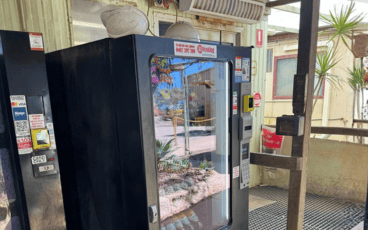
If you run a remote site, you already know the problem. Heat, dust, long travel distances, and a workforce that needs fast access to cold drinks and snacks, without downtime. Heavy-duty vending machines exist for this exact reality.
This guide explains what to look for, what to avoid, and how to set up a vending solution that works in remote WA conditions. It is written for site managers, camp managers, and operations teams who want less admin, fewer faults, and predictable restocks.
Why mining vending machines matter on remote WA sites
On a remote site, small delays become big disruptions. If a machine is empty, out of service, or warming up drinks, workers feel it straight away. It also creates extra work for your team because someone has to manage complaints, chase support, and work out what happens next.
Mining vending machines solve a simple need. Keep drinks cold, keep snacks available, keep access easy, and keep it running with minimal oversight. The value is not the machine itself. The value is consistency.
For many sites, the most practical approach is a service model. A provider supplies the machine, stocks it, handles faults, and keeps it in rotation. That is the core of mining site vending solutions. You get a reliable setup without building a side project inside your operation.
What makes industrial vending machines work better in tough conditions
Not all machines handle remote conditions the same way. Industrial vending machines are typically selected and configured for harder environments, higher usage, and more demanding locations.
Here is what to look for when comparing options, without getting buried in technical specs that don’t help you make a decision.
- A build that suits remote conditions
In the outback, a machine needs to keep performing when dust is constant and days are hot. That is why people talk about rugged vending machines and durable vending machines. It is not a buzz phrase; it is a practical requirement. In the outback, a machine needs to keep performing when dust is constant and days are hot. Read this article on working safely in hot conditions.
You want a machine that can keep operating consistently, with solid seals, stable cooling performance, and components that don’t become temperamental after a few tough weeks.
This is also the difference between standard units and vending machines built for harsh conditions. The goal is simple. Fewer issues, fewer call-outs, less downtime.
- Cooling that holds up under heat and high usage
Workers buy cold drinks first. If cooling performance slips, complaints start fast, and sales drop.
Ask the provider how they keep drinks cold in real-world conditions, not lab conditions. The best WA vending machines are supported by a service plan that keeps machines clean, checked, and properly maintained, because that is what protects cooling performance over time.
- A payment experience that is fast and easy
On a mine site, time matters. Cashless vending machines remove coin issues and reduce friction at the machine. It is faster, cleaner, and simpler for the workforce.
- Simple visibility, so you are not guessing
Remote monitoring of vending machines helps the provider plan restocks and detect faults early. That means fewer stock-outs and less time spent reacting after the problem is already frustrating people.
This is a practical advantage for any site, especially where travel time is long and trips need to be efficient.
Placement matters, where to put WA vending machines on site
Where you place a machine can improve uptime and reduce damage. It also affects usage and worker satisfaction.
Here are the placement principles that tend to work well on remote sites.
- Keep it protected where possible
If the site has a crib room or an indoor break area, that is often a better location than a fully exposed placement. It helps with temperature stability, reduces dust load, and provides workers with a comfortable place to purchase.
- Keep it accessible, but not in the way
Workers should be able to access it during breaks without disrupting vehicle movement or work zones. The location should reduce bottlenecks, not create them.
- Choose the setup based on usage
High-traffic areas may need more than one machine. Some sites run snack and drink vending machines separately, while others use a combination unit. The right answer depends on headcount, shift patterns, and how quickly stock moves.
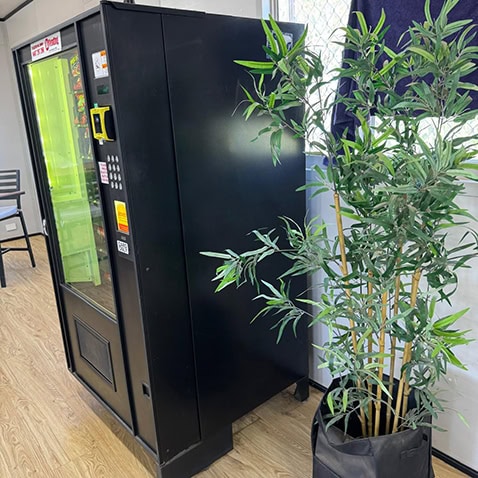
Service and support, restocks, faults, and response time
This is where most site managers decide whether vending will be easy or painful.
A vending setup is only as good as the service behind it. For remote sites, the service model needs to align with the realities of distance, schedules, and site access.
- Restocks that match your site rhythm
A provider should plan visits around your site schedule, not force the site to work around them. Restocks need to be predictable and aligned with usage, especially during busy periods, shutdowns, or roster changes.
- Faults, how they are reported and handled
A clear process matters. When a fault happens, you want:
- A simple way to report it
- Clear expectations on response time
- A practical plan if the fix cannot happen immediately
If the provider uses remote-monitoring vending machines, they may also detect faults early, reducing the number of worker complaints before you even hear about them.
- On-site requirements and access
Remote sites often have access rules, induction requirements, and movement controls. A good provider understands this and works within your processes. It is one reason local experience matters for vending machines for miners.
If you are in the Goldfields, Kalgoorlie vending machines need a provider who can service consistently, not just install and disappear. That is the difference between a brochure promise and a working service.
Products that move, snack and drink vending machines that miners actually use
Product selection need not be complicated, but it should be realistic.
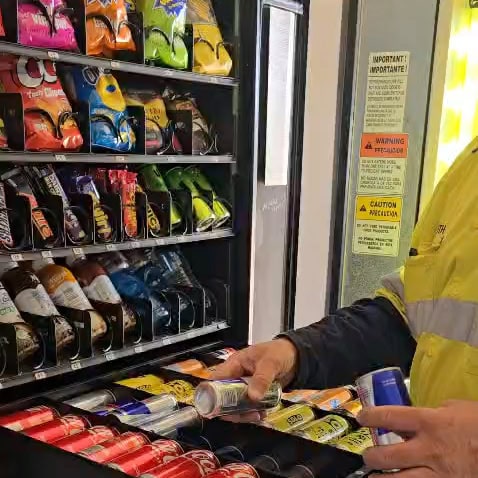
The key is a tight product mix that moves. Slow-moving items create waste, stock rotation problems, and frustration. A remote provider will often focus on reliable sellers and then adjust based on what your workforce actually buys.
For many mine sites, the core is:
- Cold drinks, including water and popular energy drinks
- Salty snacks and quick food options
- A small range of extras based on demand
This is why vending machines for miners tend to prioritise practical stock over novelty. On remote sites, reliability beats variety.
Choosing the right setup for your site
If you want a simple decision path, use this.
Step 1: Clarify the goal
Do you want one machine that covers the basics, or do you need two machines because usage is high?
Step 2: Match the machine type to usage
Combination machines suit small to mid sites. Dedicated machines suit higher usage areas.
Step 3: Choose service over ownership when you want less admin
If you do not want to manage stock, maintenance, and faults internally, choose a service model. That is where vending machine service WA providers earn their keep.
Step 4: Set expectations upfront
Before installing, confirm:
- Stock range and how changes are handled
- Restock frequency planning
- Fault reporting process
- Site access and schedule alignment
- Payment options, including cashless vending machines
- Whether monitoring is used, including remote monitoring of vending machines
If you want a broader checklist for remote installs, read our guide to vending machines for remote WA sites.
If you are sourcing heavy-duty vending machines for mining sites, the decision should not be based solely on a spec sheet. It should be based on who can consistently service the machine, because service is what keeps it running. For a broader overview of how machines are supplied and supported on site, see our guide to vending machines for mine sites.
If you are comparing suppliers, ask directly if they operate as an outback vending machine supplier WA, because distance, local coverage, and responsiveness matter more than glossy claims.
You may also see the term industrial vending machines Western Australia used broadly across the market. Treat it as a starting point, then assess service capability, travel radius, and real response time.
For sites that want flexibility, heavy-duty vending machine hire for mines can be a practical option. It supports changes in site size, usage shifts, and future expansion without locking you into the wrong setup.
FAQs on Heavy-duty Vending Machines
What should we prepare before installing a machine on site?
Confirm the preferred location, power access, and any site access requirements. Also confirm who will be the site contact for restocks and faults. This speeds up installation and reduces delays.
How do you keep stock consistent on a remote site?
A tight product mix that moves, combined with planned restocks. Sites with high usage may need an additional machine or a shift in product balance to reduce stock-outs.
What is the best way to reduce downtime?
Choose a provider with a clear fault process and reliable service coverage. Remote monitoring of vending machines can help detect problems early, but service response remains the key factor.
Vending machine service WA for remote sites
If you are planning a new install or replacing an older unit, a quick site chat helps you avoid the common stuff-ups, like the wrong machine mix, poor placement, or refills that do not match usage. If you want, contact A1 Vending and let us know your site location, headcount, and whether you need drinks-only, snacks-only, or a combo machine. We will suggest a practical setup and the service cadence that suits remote WA conditions.
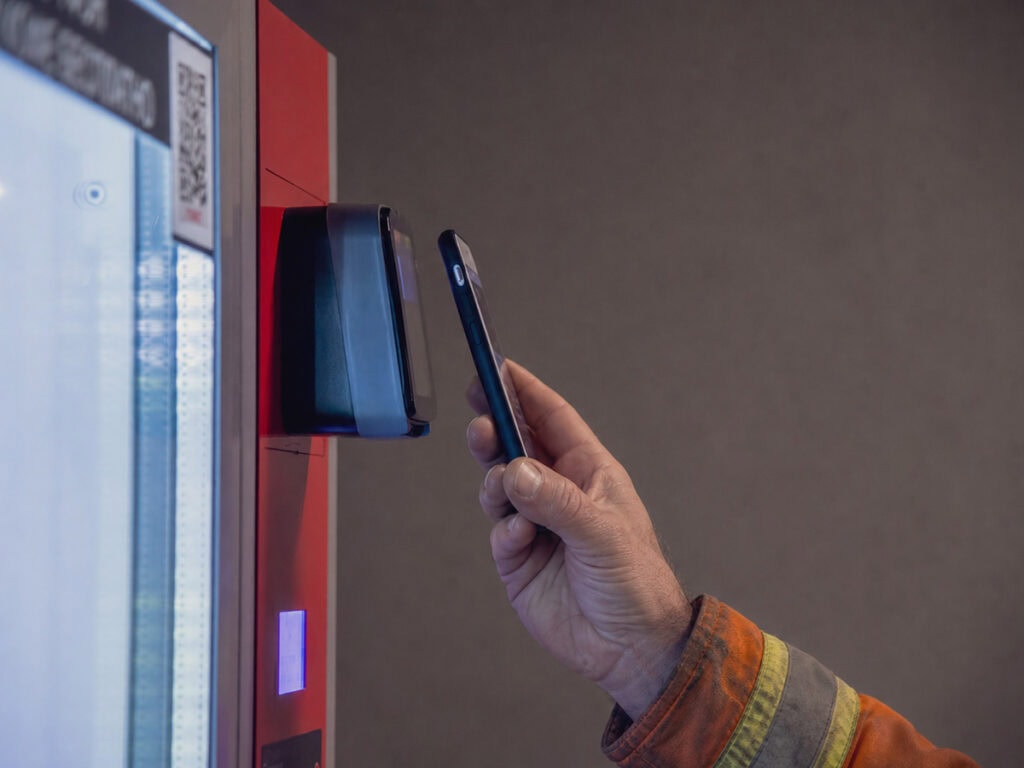
What to do if a vending machine payment failed
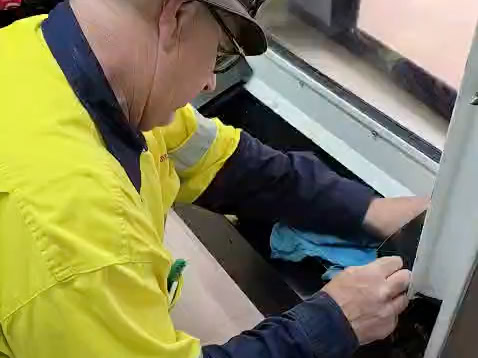
Vending Machine Maintenance: Preventing faults before they happen
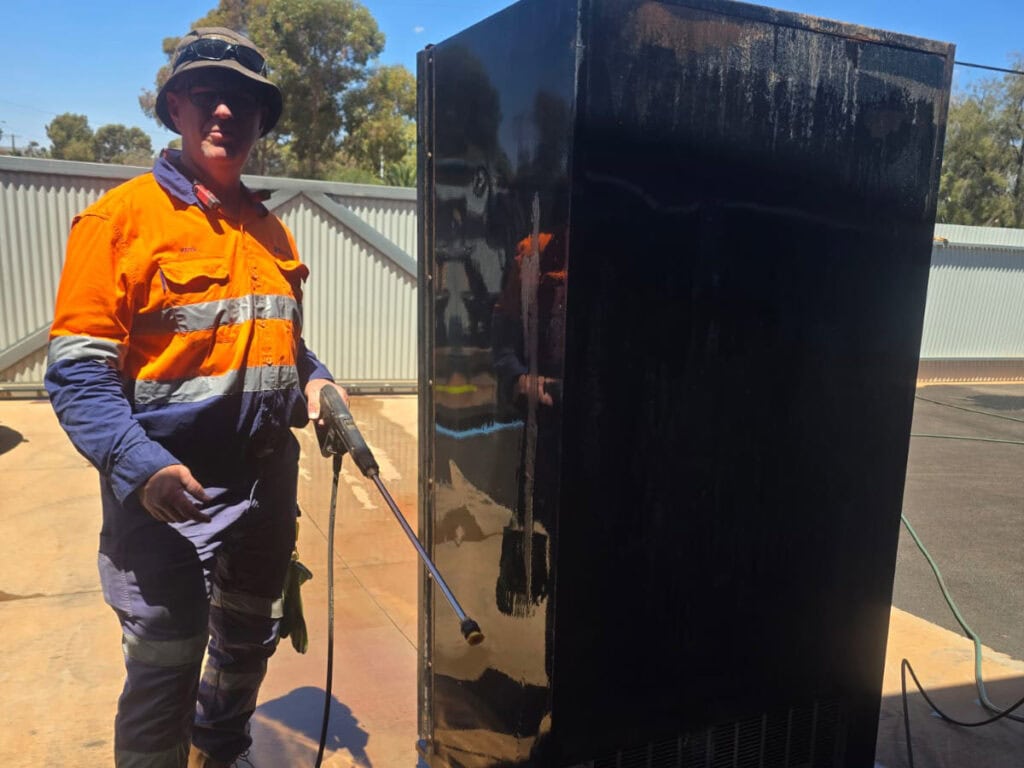
Vending machine refrigeration & cooling faults in WA heat
Join Our Blog
Join a community that cares - subscribe for insights and updates.
"*" indicates required fields