
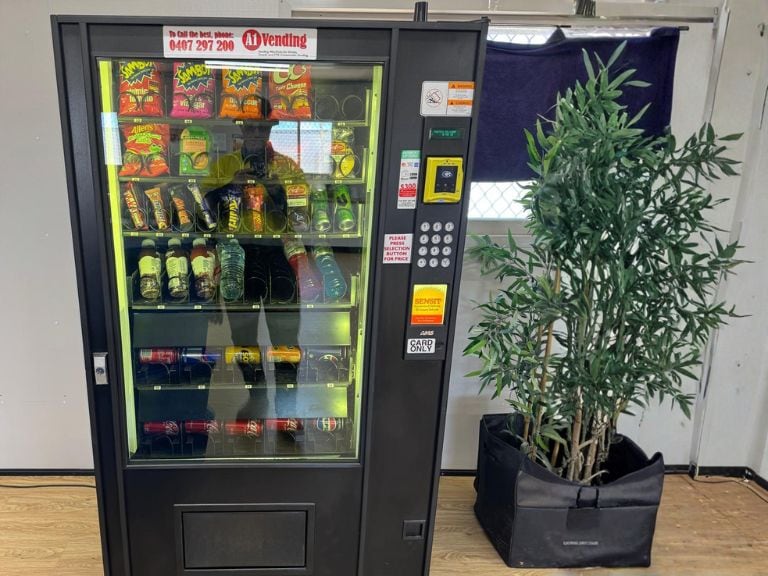
If you manage a remote site in Western Australia, you already know the real cost is rarely the machine itself. With vending machines for remote WA sites, the pain shows up as downtime, empty spirals, wasted trips, and small issues that become big problems when you are hours from support. This guide outlines what to expect, what to ask, and what a practical service arrangement entails for mining and regional operations.
What you will pay, and what drives the cost
There is no single price that fits every mine, workshop, port site, or remote workforce camp. Most suppliers price based on the actual run and service load, not just the hardware. If you are comparing WA vending machines, focus on what you are actually buying: product availability, predictable servicing, and a fault process that does not leave your crews without stock. For a practical breakdown of setup, supply and ongoing support, see our remote WA vending machine services.
What usually drives cost on remote WA runs
- Data and payments.
Cashless vending machines and remote monitoring can reduce admin and help catch issues early. - Distance and run time.
A long round trip changes what is viable, especially if a second trip becomes necessary. - Headcount and usage peaks.
High-usage sites often need more capacity than a single machine can deliver. - Product mix and expiry risk.
Short-dated products can quickly become waste if the site does not move them. - Placement conditions.
Heat, dust, vibration, and exposure increase wear and increase maintenance needs.
A quote can look “cheap” on paper if it assumes fewer visits, less stock depth, or slower fault response. That is why cost needs to be looked at alongside outcomes. Your aim is not to win on the monthly figure; it is to avoid the hidden costs of empty machines, repeated complaints, and downtime.
If your site is in the Goldfields, read “Our story serving WA Mines with mining vending machines” blog for a real-world example of how we plan restock loops, handle faults, and work within site rules across remote WA.
Restocking schedule: how remote runs actually work
On remote WA routes, restocking is a logistics problem first and a product problem second. A good restocking schedule aligns with your headcount and roster and adjusts based on real usage data. That is how you avoid the cycle of a machine that sells out early, then sits empty until the next run.
A practical restocking schedule usually includes:
- A baseline visit frequency is set by workforce size, shift patterns, and run distance.
- A stable core range that moves fast, so you can carry depth without expiry risk.
- A clear approach to shutdowns, mobilisation, and roster swings, when demand changes fast.
- A simple escalation method when consumption spikes unexpectedly.
What to ask about restocks on remote runs
- How do you measure usage, and how quickly do you adjust the schedule?
- How do you handle slow movers?
- Do you swap them out or leave them to expire?
- Do you top up to full every visit, or do you leave gaps to save time?
- How do you keep stock in good condition during hot weather and long drives?
The best vendors will be upfront about what sells on similar sites. That honesty matters because the cost of “variety for variety’s sake” is often waste, stock-outs, and complaints.
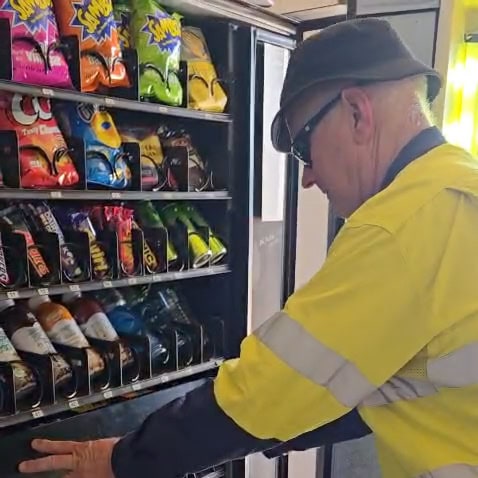
Faults and downtime: what to expect and what to ask
Faults happen, even with well-maintained machines. The difference lies in whether faults are detected early, logged properly, and resolved using a process that supports remote work.
A fault process worth paying for includes:
- Clear fault reporting:
QR code on the machine, a single phone number, and a nominated site contact. - Clean logging:
machine ID, timestamp, fault description, and photos if needed. - Priority rules:
safety first, then loss-of-service, then minor faults. - Remote triage where possible:
resets, software checks, and monitoring alerts before dispatch. - On-site readiness:
commonly needed parts, a realistic repair window, and follow-up checks.
This is where remote monitoring becomes practical, not fancy. If the system can flag error codes or payment issues early, the technician can arrive with the right parts on the next run, rather than discovering the issue on-site and needing a second trip.
What to ask before you sign off
- What is your typical response time for faults at our location?
- How do you manage parts availability for remote runs?
- If a repair cannot be completed on-site, what happens next?
- How do we get updates, and who is the escalation contact?
If you have ever had a machine sit broken for weeks, these questions save you from repeating the same story.
Placement in mining environments: crib room vending vs workshop vs outdoors
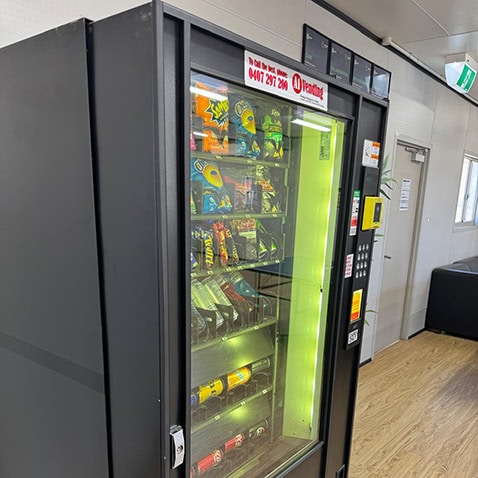
Placement affects everything: machine life, product quality, and fault frequency. Most sites prefer indoor placement because it reduces heat exposure and dust ingress, and it makes restocks easier and safer.
Why crib room vending usually performs best
- It is aligned with break times and foot traffic.
- It is protected from weather exposure and extreme heat.
- It is easier for all crews to access, including night shift.
- It reduces the chance of damage from vehicles and equipment.
Placement checks that prevent problems
- Power access and safe cable routing.
- Clear space for door swing and restocking without blocking walkways.
- Visible, high-traffic positioning so stock moves consistently.
- Heat and dust exposure, especially if the only option is a workshop area.
- Security and visibility, without creating pinch points or trip hazards.
If the only viable location is outdoors, you need to be realistic about increased wear and the importance of on-site hydration and heat-control measures. WorkSafe WA has practical guidance on working safely in hot conditions. For harsh environments, it is also worth reviewing heavy-duty vending machines for WA mines to align the machine type to the conditions, not just the product range.
Mine site compliance and site access: inductions, take five, and journey management
Remote vending is not just delivery; it is site work. Mine site compliance needs to be routine for the supplier so that each visit is safe, predictable, and non-disruptive to operations.
You should expect comfort with:
- Site inductions and access rules across different work areas.
- Take five style safety routines before starting work.
- Journey management, vehicle checks, and fatigue planning for long drives.
- Scheduling around operational windows where access is restricted.
This is also where experience matters. When the supplier understands site rules and access expectations, restocks are faster, safer, and less disruptive. When they do not, you lose time every visit.
Cashless vending machines: Tap and go payments, reporting, and practical admin
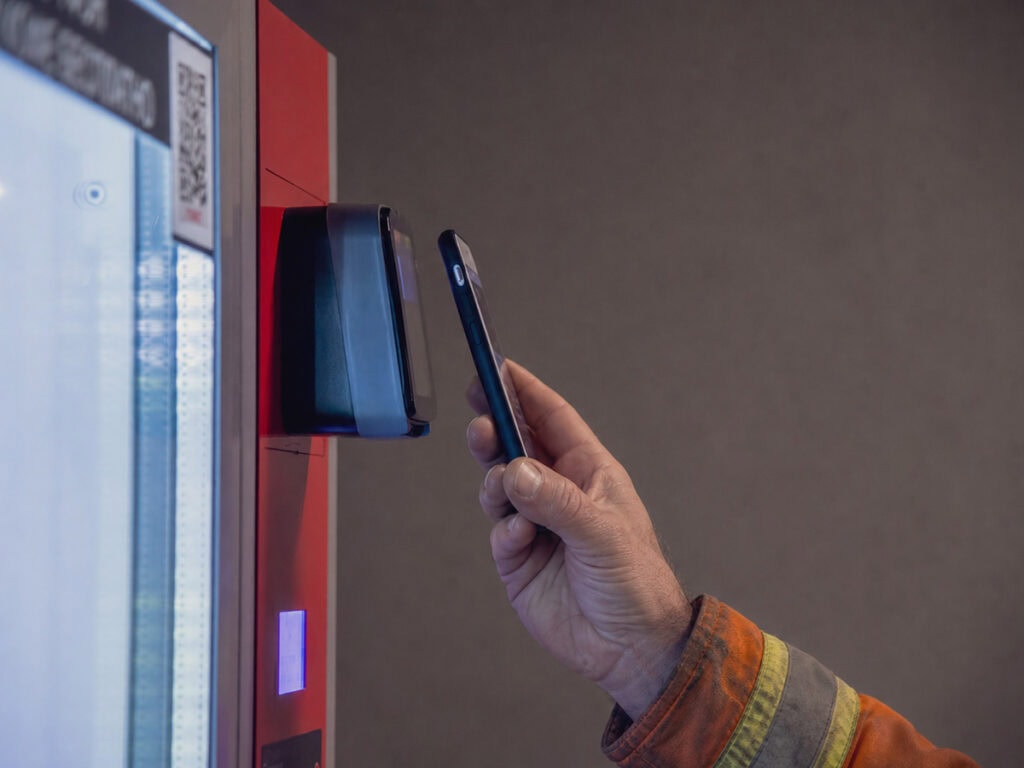
For most workplaces, cashless vending machines are now the baseline. They reduce coin handling, reduce theft risk, and simplify reconciliation. Tap-and-go payments also reduce queues during short breaks and eliminate the friction of “no change” complaints.
From an admin view, ask for:
- Clear reporting:
weekly or monthly summaries by machine and by product line. - Simple change requests:
product swaps, pricing changes, and configuration updates. - Trend visibility:
enough insight to plan for roster changes or site expansions.
If you are reviewing transaction fees as part of your cost model, least-cost routing is worth understanding in plain terms, because it can affect merchant costs over time. Also, ask how the payment system behaves in areas with patchy coverage, and how failures are flagged. The goal is to detect issues early, not on the next visit when everyone is already frustrated.
A supplier checklist you can use on your next call
Use this checklist to quickly compare suppliers, especially when assessing mining vending machines for remote operation.
- What remote WA runs do you service, and how often do you run them?
- How do you set the restocking schedule, and how do you adjust it based on usage?
- How do you handle faults, and what response time can you commit to for our location?
- Do you provide cashless vending machines as standard, and what reporting do you include?
- What products move best on similar sites, and what do you avoid due to expiry risk?
- Where do you recommend placing machines on our site, and why?
- What mine site compliance requirements do you routinely work under?
- What do you need from us to make restocks fast and consistent on every visit?
If the supplier cannot answer these clearly, you usually absorb the risk of downtime, complaints, and wasted site time.
Ready to plan vending machines for remote WA sites that actually work on a remote run?
Contact A1 Vending with your location, site type, headcount, and shift pattern. We will recommend a practical machine mix, placement, and restocking schedule that fits how your crews actually work.
FAQs
Q1: How often are vending machines refilled on remote WA sites?
A1: Most sites start with a baseline restocking schedule based on headcount and roster. A good supplier then adjusts it using real sales data so machines stay stocked without creating waste from slow movers.
Q2: What happens if the vending machine breaks down, and how fast can it be fixed?
A2: Faults should be logged quickly, triaged remotely where possible, and prioritised by impact. For remote runs, the practical question is parts readiness, if the supplier carries common parts and uses remote monitoring, downtime is usually shorter and repeat visits are less likely.
Q3: Where should a vending machine be placed in a mining environment, crib room, office, or workshop?
A3: Indoors is usually best. Crib room vending and indoor common areas protect machines from heat and dust and align with foot traffic. Workshops can work if dust and vibration are controlled. Outdoor placement increases wear and needs tighter checks.
Q4: Can cashless payments work if mobile signal is patchy?
A4: Often yes, but it depends on the payment setup and site conditions. Ask how the system behaves during outages, how failures are reported, and what the fallback process is. The key is visibility, you want to know when payments are failing before complaints build up.
Q5: What information do you need from us to quote and set the right schedule?
A5: Location and access rules, headcount, shift pattern, peak periods, preferred placement areas, and any site restrictions that affect restocking. The more accurate this info is, the more accurate the recommended machine mix and restocking schedule will be.
What to do if a vending machine payment failed
Vending Machine Maintenance: Preventing faults before they happen
Vending machine refrigeration & cooling faults in WA heat
Join Our Blog
Join a community that cares - subscribe for insights and updates.
"*" indicates required fields