
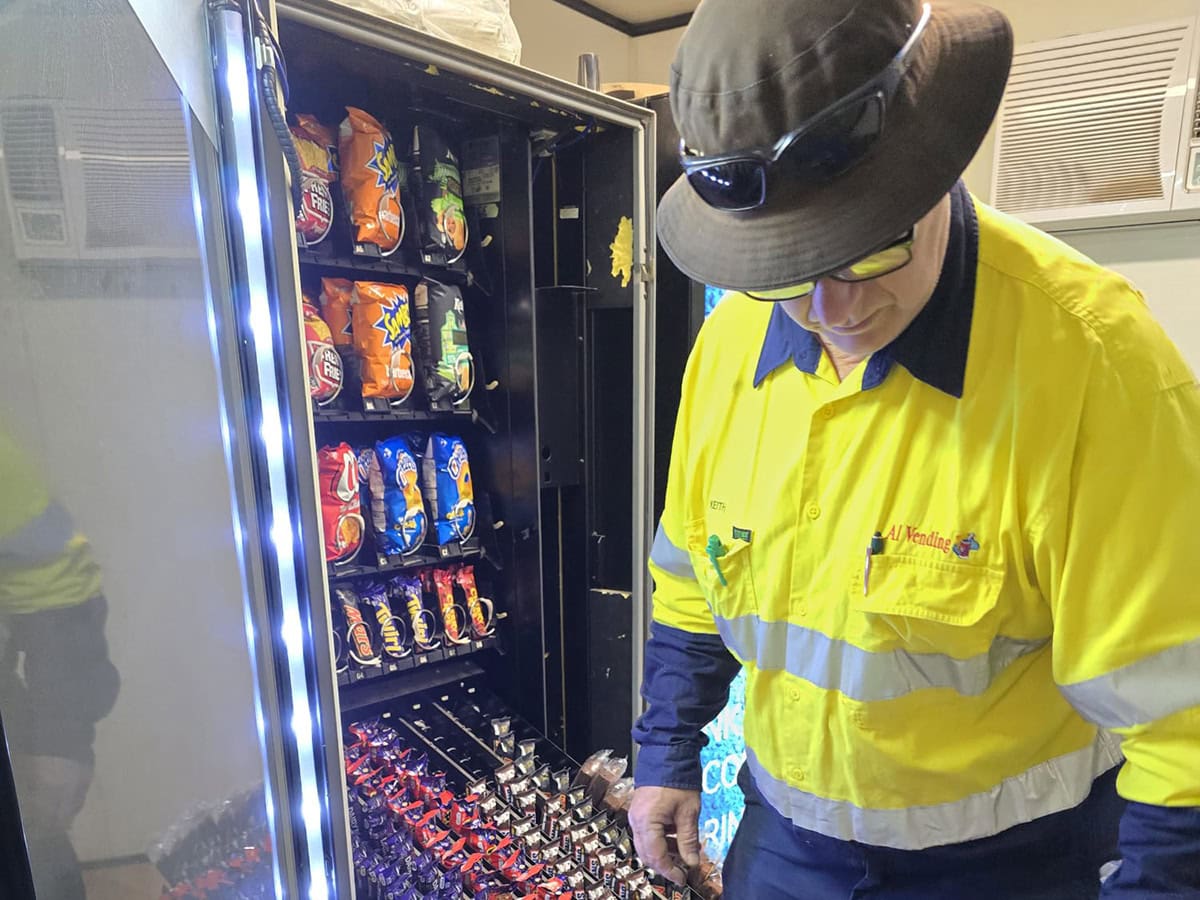
If you’re comparing suppliers, the real question isn’t which company sells the best-looking machine. It’s what’s the best vending machine service for your workplace, because the two aren’t the same thing. A vending machine is a fixed unit that sits in a break room, crib room or lunch area. A vending machine service is everything that happens after it’s installed: restocking on a schedule that matches how your team actually works, fast fault reporting when something goes wrong, cashless payment options staff expect, and a supplier who answers the phone directly instead of routing you through a call centre.
A1 Vending has supplied and serviced workplace vending machines across Kalgoorlie-Boulder and the WA Goldfields since 1997, and one thing holds true across every site: the machine rarely causes the complaints. The service around it does.
In short: the best vending machine service for a WA workplace is one where restocking matches real usage, cashless payments are standard, faults are reported directly rather than through a call centre, and the supplier understands regional WA conditions and site access. The machine itself is rarely what separates a good service from a mediocre one.
What actually makes a vending machine service the best fit for a workplace
A vending machine is a fixed unit. The vending machine service wrapped around it is what determines whether staff actually use it, whether it’s stocked when they need it, and whether a fault gets fixed in a day or sits unresolved for a fortnight. When WA workplaces compare suppliers, the differences that matter are rarely about the machine’s cabinet or its screen. They come down to five things:
- Restocking that matches usage: a schedule built around headcount and shift patterns, not a generic weekly run that leaves popular lines empty by Wednesday.
- Fast, simple fault reporting: one contact point, not a call centre queue, and a clear process for what happens next.
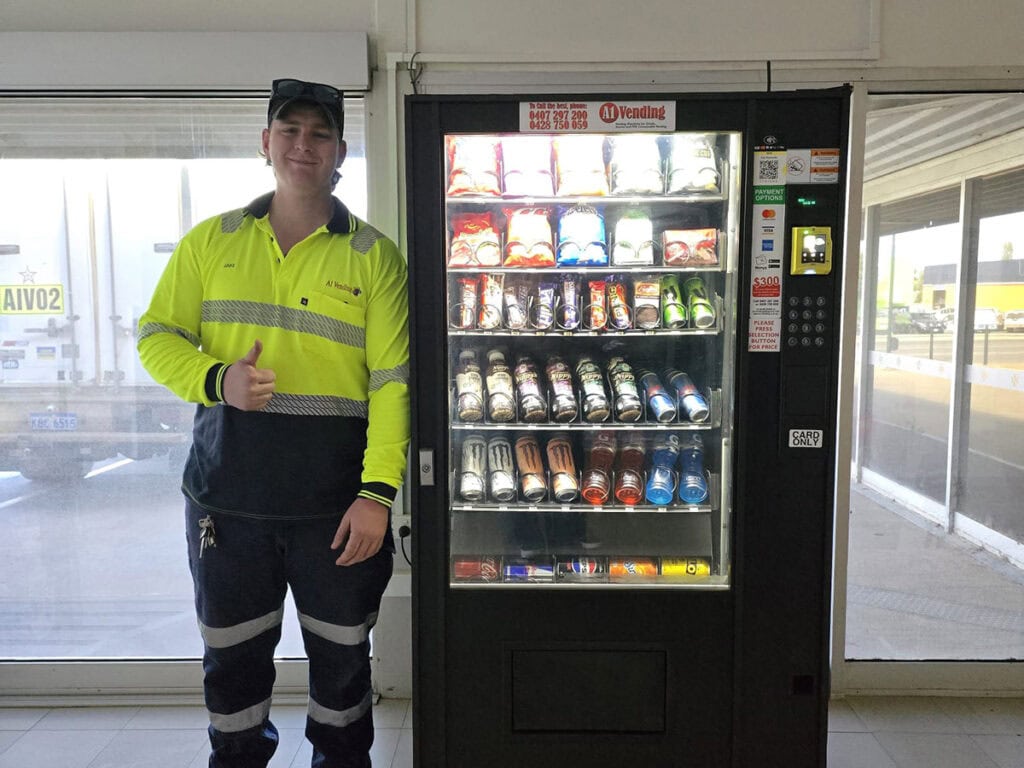
- Cashless payments as standard: tap-and-go cards, mobile wallets and smartwatches, because cash has largely disappeared from Australian workplaces.
- No unnecessary cost to the site: for suitable workplaces, the machine, installation and ongoing servicing come at no cost, with A1 Vending covering the equipment.
- A supplier who understands the site: regional WA workplaces have real constraints around distance, access and conditions, and a service built around those realities works better than one designed for a city office block.
None of this shows up if you’re only comparing machine specs. It shows up three months in, when the machine is either running the way it should or becoming another thing someone has to chase up.
The machine and the service are two different decisions
It’s easy to conflate “which vending machine” with “which vending machine service,” but they’re separate questions. Choosing between a snack machine, a drink machine or a combo unit is about matching the machine to your site’s headcount, space and usage pattern. If that’s the decision in front of you, our guide to choosing the right vending machine or our breakdown of work site vending machines covers machine type in more detail.
This page is about the other half of the decision: once you know roughly what kind of machine your workplace needs, how do you judge the vending machine service behind it? That’s the part that determines whether the arrangement still works in six months, not just on installation day.
Why “best” depends on how your workplace actually operates
“Best” isn’t a fixed standard. It depends on how a workplace actually runs day to day. An office with a single eight-hour shift and forty staff has very different needs from a site running two or three rotating shifts with a hundred people moving through a crib room at set break times. A vending machine service that works well for one can fall short for the other, not because the machine is wrong, but because the restocking frequency, stock mix or fault response time isn’t matched to how people actually use the space.
The best vending machine service is the one built around your specific pattern of use, rather than a generic schedule applied across every client regardless of headcount or shift pattern. That’s part of why it’s worth being specific with a prospective supplier about your actual site details, including headcount, shift times and break patterns, rather than accepting a standard proposal that hasn’t accounted for any of it.
What to ask a vending machine service before signing on
Before committing to a supplier, it’s worth getting straight, specific answers to a short list of practical questions rather than general marketing language:
- How is restocking scheduled, and can it flex if usage changes? A fixed weekly run doesn’t suit every site, and a supplier who can’t explain how they adjust for headcount or shift changes is a warning sign.
- What happens when a machine has a fault, and how fast is the typical response? Ask specifically who you’d call and what happens after that call.
- Are the machines cashless, and do they accept mobile wallets as well as cards?
- Is there a cost to install the machine, or is it a managed service?
- Does the supplier actually service your area, or are you at the edge of their coverage?
- Who do you speak to if something goes wrong: a local contact, or a call centre?
A supplier who can answer all of these clearly, rather than in vague terms, is usually the one worth choosing.
Restocking that matches how your workplace actually runs
Generic restocking schedules are one of the most common reasons a vending machine service stops feeling useful. A weekly run might work for a small office but leave a large crib room running empty by midweek, while a quiet site ends up with stock going past its date on the shelf. The better approach is a restocking schedule planned around headcount, shift patterns and what’s actually selling, adjusted as usage changes rather than left on autopilot from the day the machine was installed.
Cashless payments as the workplace standard
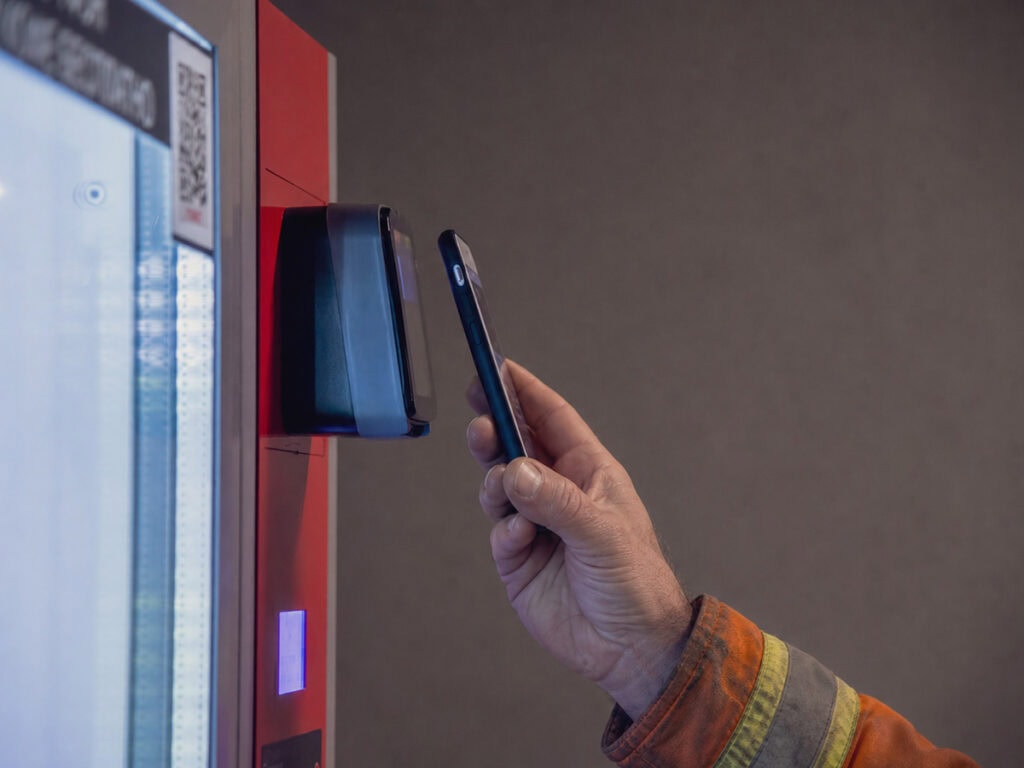
Cash has largely disappeared from Australian workplaces, and vending has followed. Cashless vending machines that accept tap-and-go cards, mobile wallets and smartwatches remove the friction of coins and notes, and Australians have moved firmly toward contactless as the default way to pay in person, a shift the Australian Payments Network tracks across the retail and payments sector.
For a workplace, cashless also means no cash sitting in a machine overnight, no float to manage, and no coin jams to report.
What happens when something goes wrong
A vending machine service is only as good as its fault response. The practical questions are simple: is there one contact point for reporting a fault, is the process fast, and can issues be resolved without a wasted site visit. Where a transaction fails or a machine doesn’t dispense, some faults can be diagnosed and resolved remotely, including issuing a credit, without waiting for the next scheduled run.
Signs a vending machine service isn’t working
A few patterns tend to show up when the service behind a vending machine has stopped being fit for purpose:
- The machine runs empty on the same days each week and nothing changes about the restocking schedule.
- Faults take multiple calls or emails before anyone responds.
- There’s no consistent contact: you speak to a different person, or a call centre, every time.
- Card readers are unreliable, or the machine still relies on cash.
- There’s no visibility into restocking or servicing until you chase it up.
If any of that sounds familiar, it’s usually not the machine that needs replacing. It’s the service model behind it.
Switching to a better vending machine service
Many workplaces stay with an underperforming supplier longer than they need to, assuming a switch means disruption. In practice, moving to a new vending machine service is usually straightforward: the incoming supplier installs a like-for-like or better-suited machine, and restocking picks up on an agreed schedule. Contract terms vary by supplier, so it’s worth checking what notice period applies before starting a conversation with a new provider.
It’s also worth asking a prospective supplier how they’d handle the changeover itself. A straightforward transition usually means minimal downtime between the old machine coming out and the new one going in, and restocking beginning on a schedule that’s been discussed and agreed upfront rather than worked out after the fact. A1 Vending can advise on timing and practical steps if you’re weighing up a switch.
A1 Vending’s approach to workplace vending machines in WA
A1 Vending has supplied and serviced workplace vending machine arrangements across Kalgoorlie-Boulder and the WA Goldfields since 1997, under Keith Wilkinson. The model is a managed service: for suitable workplaces, A1 Vending covers the machine, installation and ongoing servicing, and the workplace provides a location and a power point. Restocking is planned around each site’s usage, machines are cashless as standard, and fault reporting goes directly to A1 Vending’s team rather than a call centre.
Where A1 Vending services WA workplaces
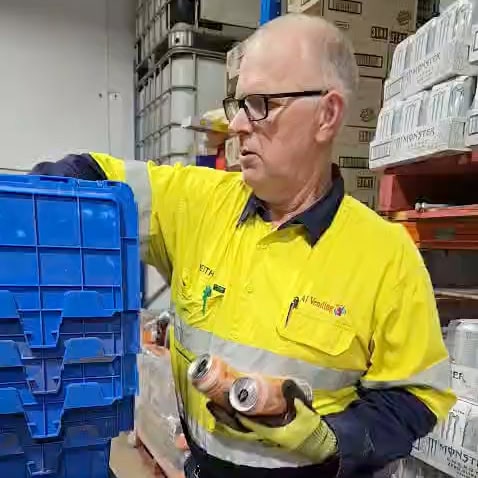
A1 Vending is based in Kalgoorlie-Boulder and services workplaces across the Eastern Goldfields hub (Kalgoorlie-Boulder, Coolgardie, Kambalda, Southern Cross and Marvel Loch) through to the northern mining corridor, including Leonora, Leinster and Laverton. For workplaces beyond these hubs, structured service runs and remote monitoring mean A1 Vending can often support sites further afield. The best way to confirm coverage is to share your location and A1 Vending will advise what’s practical.
Frequently asked questions
Can we choose what’s stocked in our workplace vending machine?
Yes. Product selection is discussed as part of setting up the service, based on what suits your workplace’s usage. A1 Vending can advise on what tends to work well for similar site types, but the final stock mix is a conversation, not a fixed list.
Who owns the machine, the workplace or A1 Vending?
A1 Vending owns and maintains the machine as part of the managed-service model, for suitable workplaces. The workplace provides the location and power point; there’s no need to purchase the machine outright.
Do vending machine services only cover mine sites, or general workplaces too?
A1 Vending services general WA workplaces as well as mine sites and worksites, using the same managed-service model: restocking, cashless payments and responsive fault handling adjusted to fit the setting.
Is there a minimum staff number needed for a vending machine service?
There’s no fixed minimum. A1 Vending assesses whether a workplace’s headcount and usage pattern support a viable machine placement, rather than working to a fixed staff-number cutoff.
How is a fault reported and resolved?
Faults are reported directly to A1 Vending’s team, not a call centre. Some issues, including failed transactions, can be diagnosed and resolved remotely, and a technician is scheduled where an on-site visit is needed.
Does the same vending machine service work for an office and an industrial site?
The service model is the same, but the details are adjusted. Restocking frequency, stock mix and machine placement are matched to headcount, shift patterns and how each site actually runs, rather than applying one standard schedule across every client.
Choosing a vending machine service that actually works for your workplace
The right vending machine service WA workplaces can rely on comes down to restocking that matches real usage, cashless payments as standard, fast fault response, and a supplier who understands regional conditions and site access. A1 Vending has built its managed-service model around exactly that, across Kalgoorlie-Boulder and the WA Goldfields since 1997.
Tell A1 Vending your workplace location, headcount and where a machine would go, and they’ll confirm coverage and the right setup.
Call 0407 297 200 │ Email a1.vending@bigpond.com │ Open 24 hours for fault reporting.
What to do if a vending machine payment failed
Vending Machine Maintenance: Preventing faults before they happen
Vending machine refrigeration & cooling faults in WA heat
Join Our Blog
Join a community that cares - subscribe for insights and updates.
"*" indicates required fields